
Post
„Girls” - the voice that stays
In a world of ever-changing trends and rapidly passing content, art remains one of the most enduring testimonies of our time. Exhibition Girls is a moving, multi-voice art project that not only gives space to female expression, but also becomes a mirror for contemporary emotions, experiences and identity.
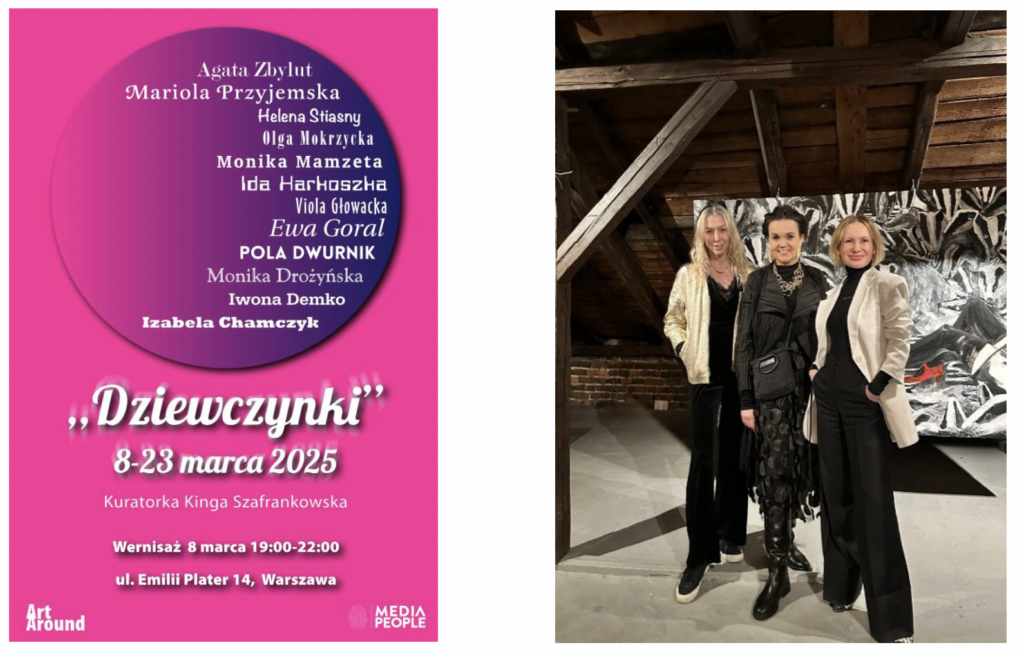
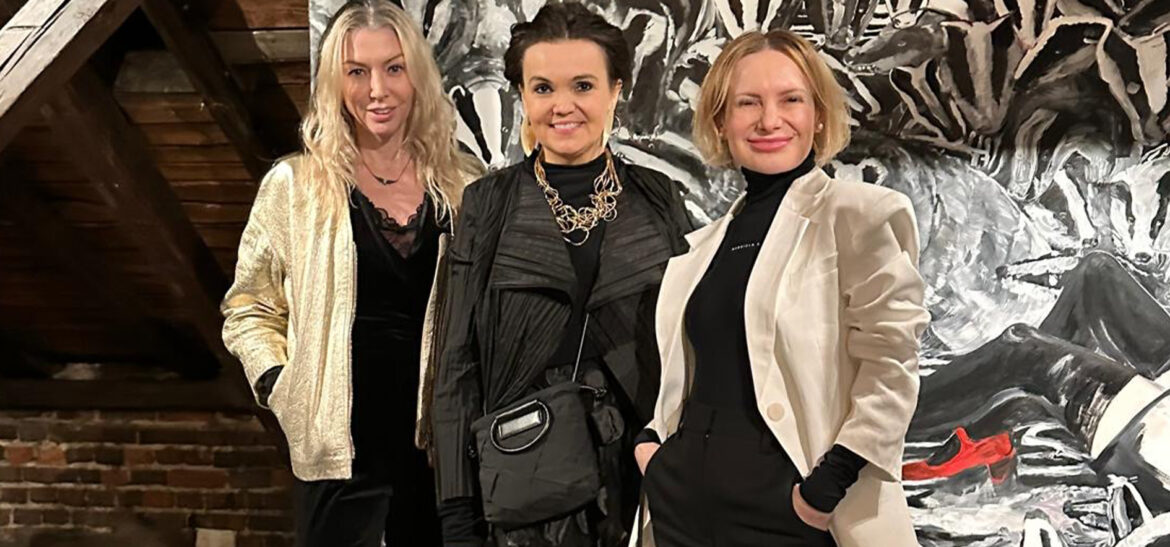
We proudly supported as Media People, this exhibition believing in the power of culture, art and authentic grassroots voices. For Media People, this is more than a sponsorship - it's a conscious decision to support worthy projects and creative communities, because it's their voice that stays with us for the long term. What we leave behind today will become the story of our time for future generations.
The exhibition, organized by the Art Around collective, is one of those events that is part of the broader context of contemporary reflection on female subjectivity. The curator of the project is Kinga Szafrankowska, and the exhibition features twelve female artists, representing different generations and creative paths: including Izabela Chamczyk, Iwona Demko, Monika Drożyńska, Pola Dwurnik, Mariola Przyjemska, Agata Zbylut, Helena Stiasny, Olga Mokrzycka, Monika Mamzeta, Ida Karkoszka and Ewa Goral. Although their artistic achievements and experiences are diverse, the works presented at the exhibition form a coherent, strong narrative. The artists complement each other perfectly - they do not compete, but coexist, building a platform for understanding and education.
This is not a manifesto of grief, aggression or accusation. It is an exhibition that speaks to everyone - including (or perhaps especially) men. With empathy and without simplification, it shows the world of women's experiences: bodily, emotional, social. And invites to a conversation, the aim of which is not confrontation, but change - so much needed today.
Exhibition Girls is a valuable complement to the largest and most significant feminist art exhibition in Poland's history We want all of life. Feminatives in Polish art, shown at the National Art Gallery in Sopot. Girls add to it a personal, intimate, but extremely powerful story - focused on relationships, language, corporeality, memory and the daily hardship of being a woman in a world that still doesn't quite want to listen to her.
The exhibition in the attic of a tenement house at 14 Emilia Plater Street, in an arranged, austere but warm historical attic, used the nuances of the interior to heighten the meaning of individual works and the relationship between them. This method of display is unfortunately still unobvious and rare in Polish institutional exhibitions today.
Each of the featured artists brings a unique perspective to the shared space.
Agata Zbylut presents a series of photographs (1) and sculpture-object Bezoar (2). The photographs, inspired by Intimate photography Natalia LL, process the theme of corporeality and sexuality through the lens of contemporary technology. The computer screen, which appears in the images, symbolizes a space taken over by women on their own terms, which allows for autonomy and independence. For the first time in history, streaming gave women in the sex work industry, control over their own work. It has freed them from the physical violence of strippers. That technology brings women the opportunity for independence we know from many other business areas, and the example of the sex worker industry, though previously more widely unknown, once again confirms that here too, technology is becoming a tool for liberation and independence. Complementing the photography is Bezoar - object made of jewelry donated to the artist by women from all over Poland. Jewelry that has a magical meaning, marking relationally, being a symbol of love or magic. Bezoars, known from medical history as miraculous foreign bodies, are transformed here into a feminine talisman: collective, personal, emotional.

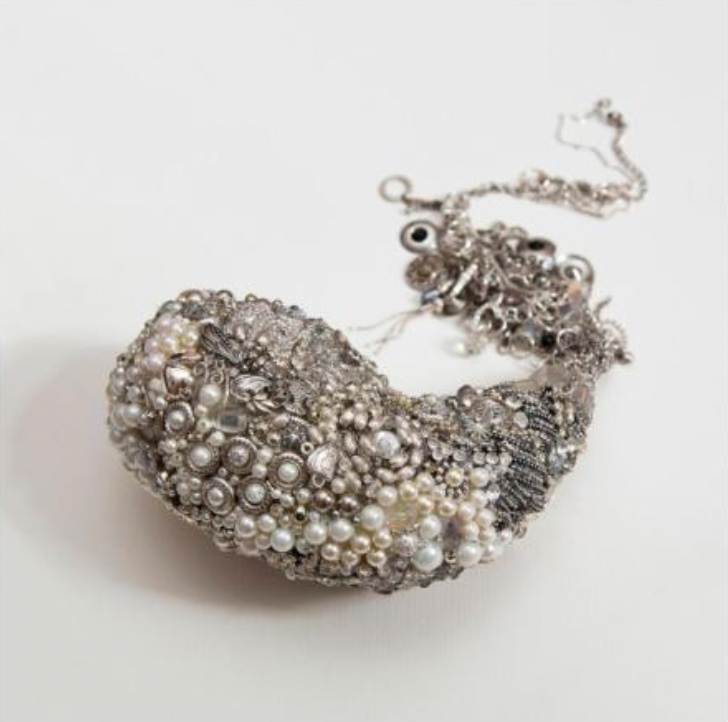
Agata Zbylut: Photography and Bezoar
More:
https://www.vogue.pl/a/bezoary-artystki-agaty-zbylut-w-zamku-krolewskim-w-warszawie
Three works were included in the exhibition Mariola Przyjemska From the cycles: Guns i Cosmetics. W Cezetka (3) firearms become objects of fetishization and aesthetic analysis, contrasted with everyday products attributed to women. Work Lancôme and rose is red (4) redefines the symbolism of the cosmetics brand's trademark, transforming the rose into a sign of revolution, rebellion and feminine strength.
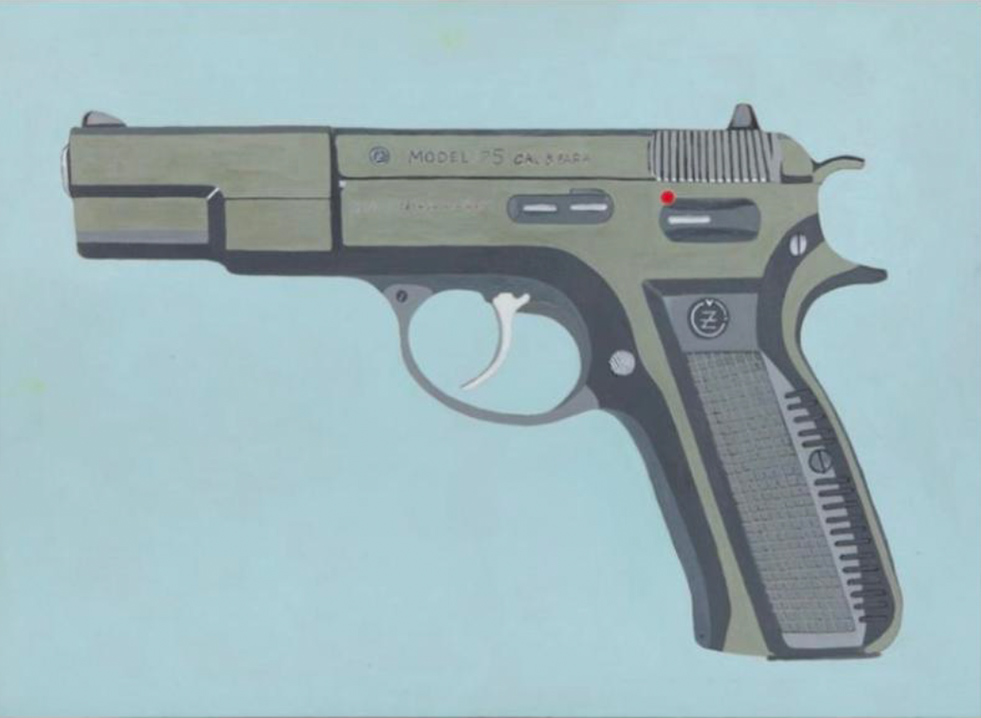
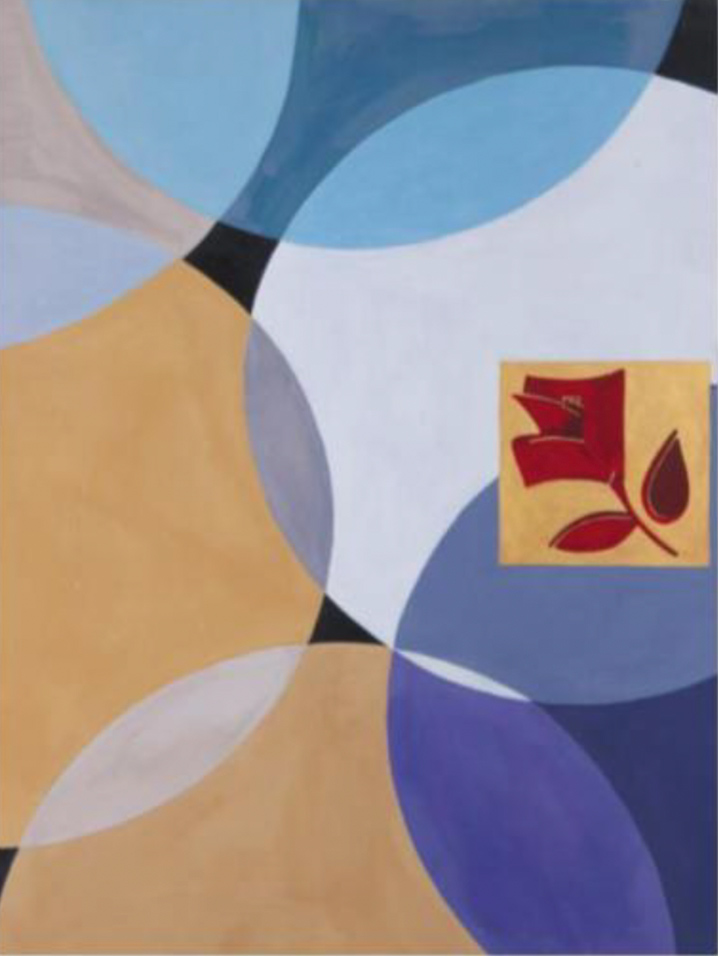
Mariola Przyjemska, Acrylic Paintings (3) and (4)
https://www.vogue.pl/a/mariola-przyjemska-szminki-jak-pistolety
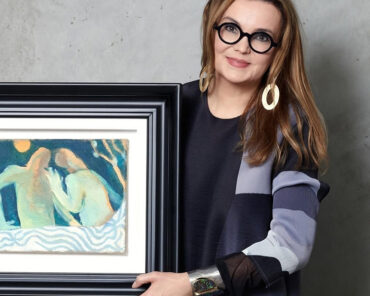
In hiding, above an isolated couch, intimate as if for a nursing woman, is the work of the Motherhood Helena Stiasny (5). It depicts the image of an artist friend - a woman who has always been for her the embodiment of quiet strength. At first glance, it is a scene of classic motherhood, but under the surface there is a tension: fatigue, loneliness, emotional overload. The image brings out the usually invisible. With nets full of shopping, she still has a lot to go through, goes the figure in the painting Olga Mokrzycka „I'm coming right up” (6). The author deals with the everyday life of women mothers, who are forced to constantly combine home and work life, are perpetually overtired. This figure is an embracer of reality, weary, returning home, becomes a symbol of modern life's eccentricities. Mokrzycka's paintings (6,7) are black and white, minimalist, reminiscent of the illustrative style of the 1950s but also of Eastern painting. The painting is the result of multiple repetitions, thousands of movements made in the past. Painted with gesture, perfection, in which there is no accident but corrections. And this perfection comes from experience - from actions that, repeated many times, laborious, taking energy and health, eventually lead to perfection. As in life.
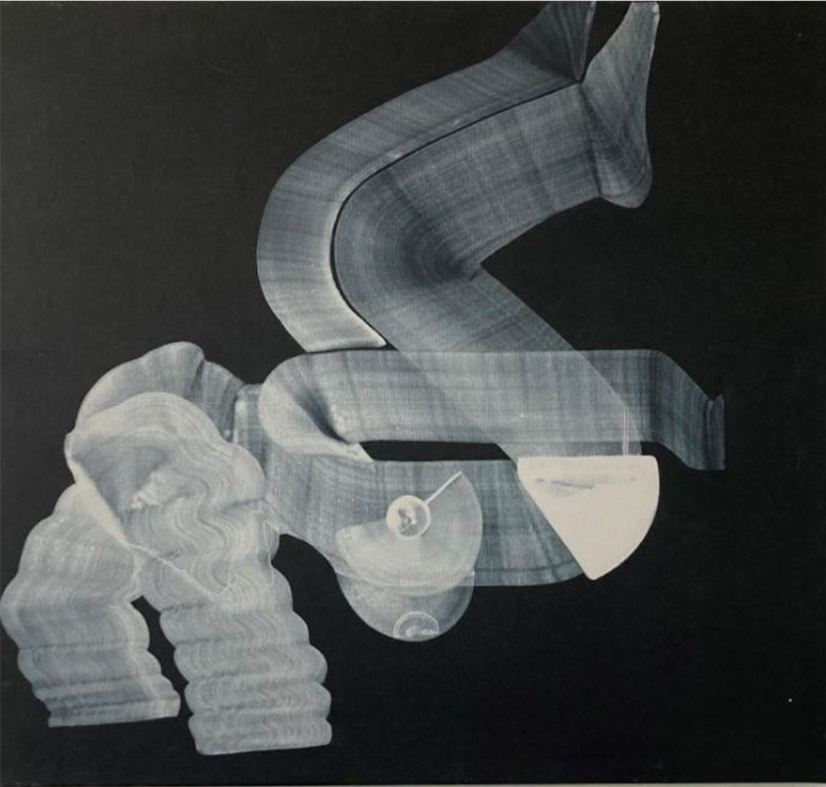
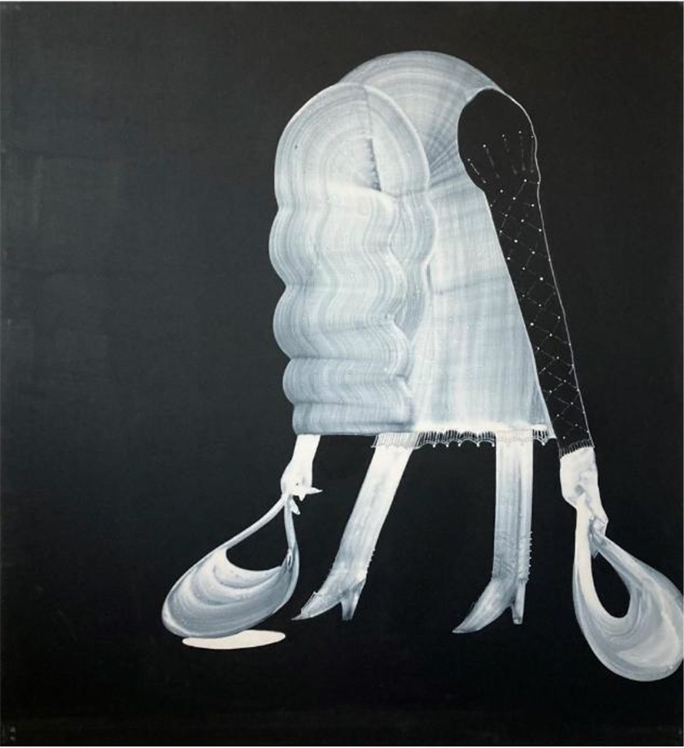
Olga Mokrzycka, acrylic paintings (6,7)
Another artist presenting her work is Monika Mamzeta, Her Madonna I (8) from the series When I grow up, I will be a virgin - photograph in an illuminated advertising medium, depicts a friend and the artist's several-year-old daughter. The work touches on the archetype of caring and sacrifice attributed to women in culture. It is one of several works in a series in which women have taken on the roles of heroines of well-known iconographic motifs. Mothers and daughters posed for Monica's photos, who became contemporary Madonnas and Pietas, who are no strangers to suffering, old age or illness.
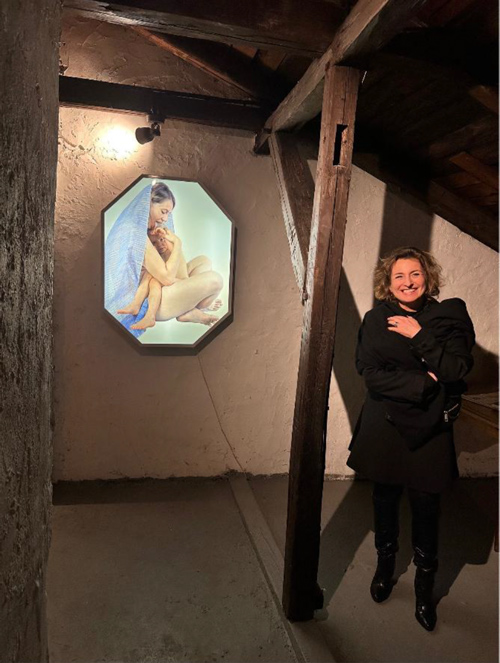
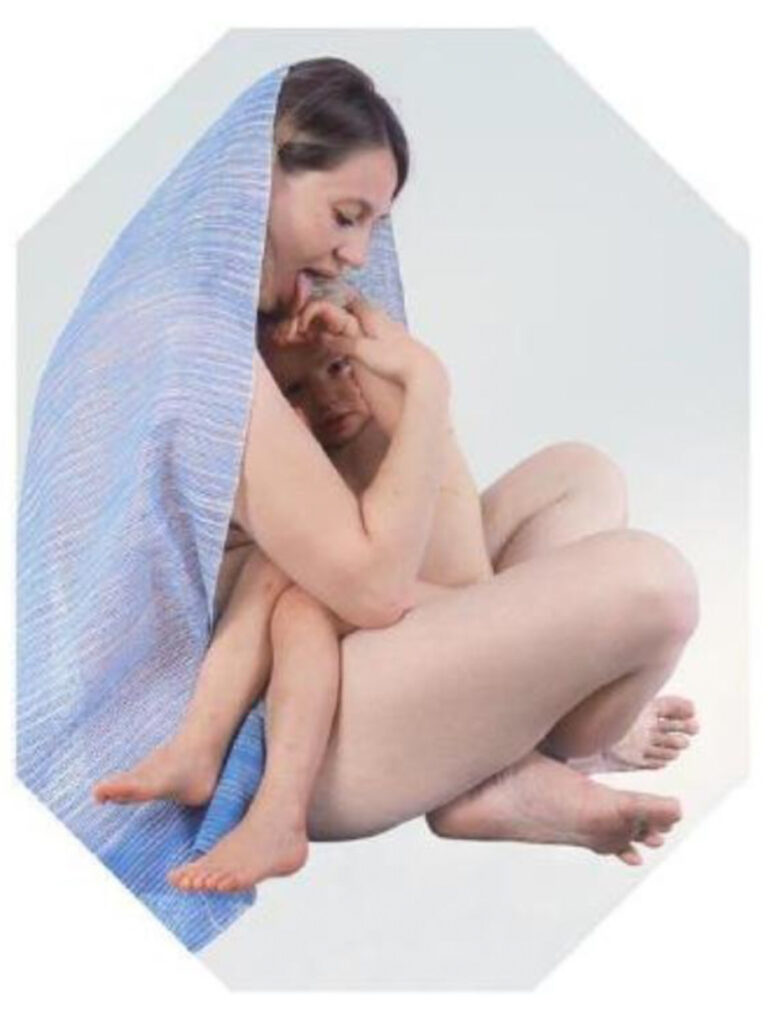
Photography: artist Mamzeta and her backlight photography work (8)
https://www.wysokieobcasy.pl/wysokie-obcasy/7,163229,26643680,smiale-2020-monika-mamzeta.html
In a narrow isolated but central part of the attic hangs a Moth Ida Karkoszka (9). It is an aluminum sculpture oscillating between realistic corporeality and abstraction. The sculpture should be viewed from various distances. From a distance it resembles a hunter's booty - like the large horns of some unknown animal, certainly ungulate. A black stripe runs through the center. The central rectangle brings to mind Kazimir Malevich's black square or Islam's sacred stone Hajar of Mecca, around which men circle in religious hypnosis. When we get closer it turns out that the Moth is a woman's legs, thighs, calves with wrapped feet. The entire sculpture plays with the viewer, entices and repels. It is a story about femininity as a magnetic and elusive force. The moth in different cultures had different meanings, but it was usually a nocturnal, mysterious figure, symbolizing the afterlife but also in Slavic myths an all-powerful witch. The work suggests an association with Gustave Courbet's painting, scandalous at the time of its creation Origin of the world 1866.
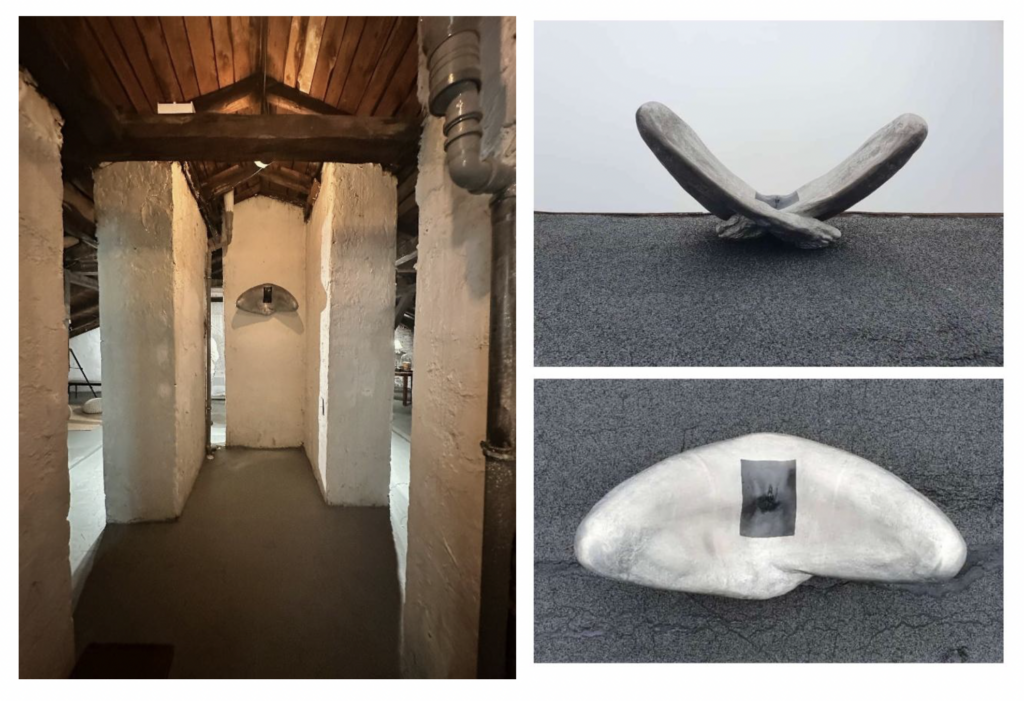
Ida Karkoszka, aluminum sculpture (9)
Scattered, in the nooks and crannies of the attic, they bud from images Ewa Goral tropical protein epiphytes. Geography of womanhood (10) shows a sensual, almost mystical cross-section of the female interior. The painting combines abstraction with elements of anatomy. The dominant mandorla motif refers to the symbolism of Gaia and Artemis, becoming a starting point for considering female creative power and independence. The artist admits that she paints as if she sees visions under the influence of Ajahuasca - although this is only a figment of her imagination. Thus, this is another work that opens the gates of transcendence (11,12). This is to be helped by a ritual psychedelic containing DMT, a hormone naturally secreted in the brain before death. Life and death are inseparable. Life that wants to hatch needs the flower of femininity. Femininity entices sex and moves into the next stage of reproduction of the species. And here she takes over the voice with her brush Pola Dwurnik at work Badger (13). Dwurnik constructs a brutal allegory of the female situation in contemporary culture. The woman lies in the center of the painting, as if on a conveyor belt, surrounded by animals - badgers. The already dead ones become the backdrop of the performance, the new ones mocking the female performer. The woman with red fetish shoes becomes a clown who plays the role imposed by the patriarchy in spite of herself.
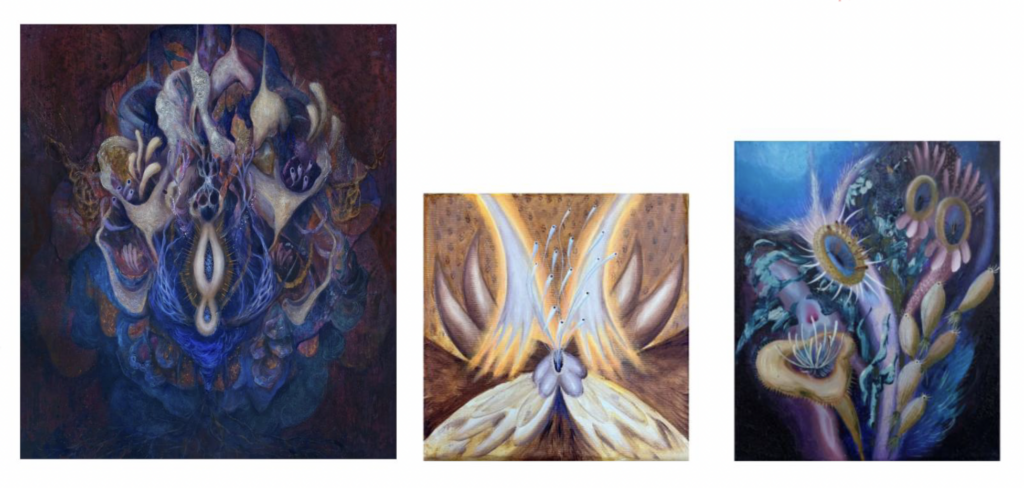
Ewa Goral , oil paintings (10,11,12)
https://dzielna.foundation/program-kuratorski/ewa-goral-totem
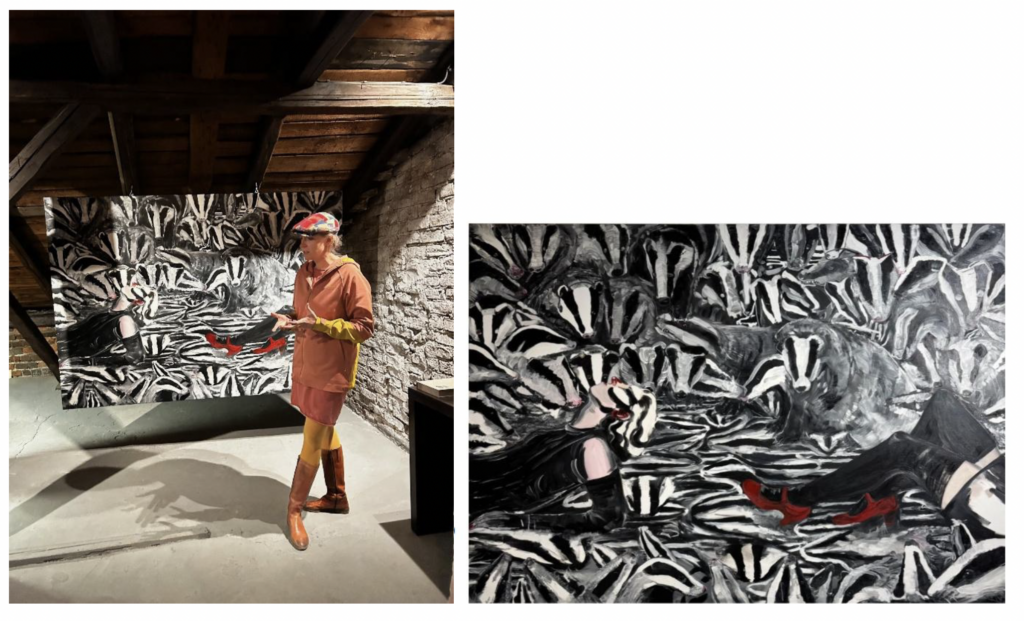
Photo: Pola Dwurnik and her oil painting (13)
https://hygge-blog.com/odwiedziny-kolekcja-mocak-u-pola-dwurnik/
Izabela Chamczyk shows us Materialized naiveté (14) and a series of photographs Mutilated i Push & Pull (15,16). These are works about psychological violence against women, especially those who present themselves as strong outside the home, but experience violence in private relationships. Chamczyk shows the process of disappearance, burnout, silent resignation. It's a story about the price one pays for independence.
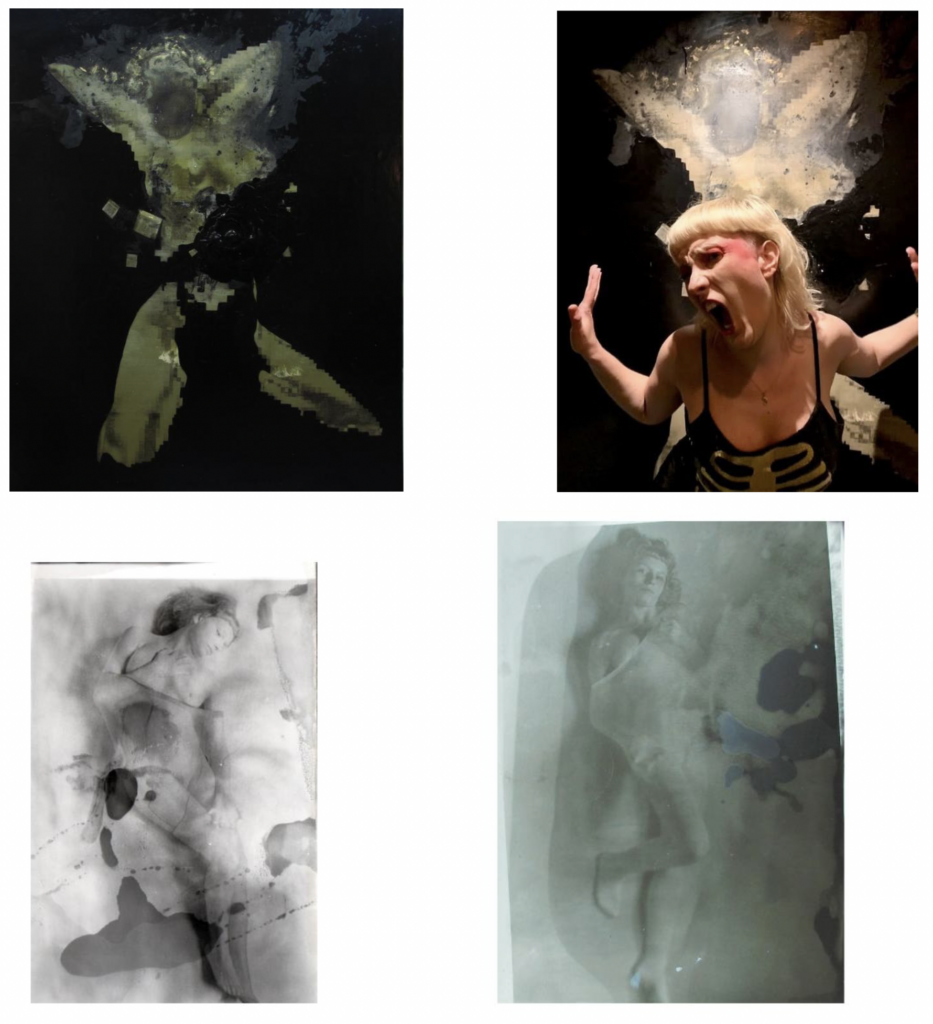
Izabela Chamczyk Oil painting (14), photo of the artist with the painting in the background and photographs (15,16)
https://www.galeriaxx1.pl/izabela-chamczyk-push-pull/
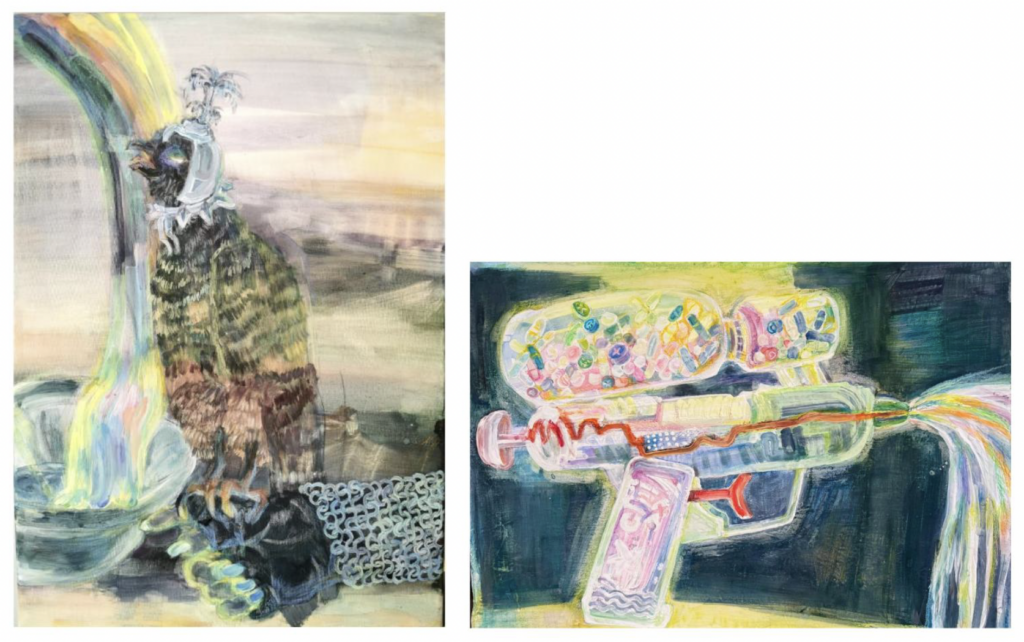
Viola Glowacka: acrylic paintings
Works Viola Glowacki As if on post, they are supposed to defend and fight for a better reality. Glowacka creates committed painting, in which hussar armor and knightly figures become symbols of female strength and resistance. Her series Rycerki was born in response to social protests, and the first image - a hussar galloping through lava - was created as a banner for Manifesta on March 8, 2021. Inspired by her personal experience of exclusion and anger, Glowacka draws on militant motifs to express rebellion and add encouragement. Her work is not only aesthetic, but also political - the painter openly supports the LGBTQ+ community and participates in equality movements. This is art that speaks loudly, even when the artist herself chooses silence.
With relief at the exhibition comes a corner with works by Professor Iwona Demko (17, 18,19). The title of the work refers to an essay by Virginia Woolf Own room 1929 . It depicts a space belonging to a self-conscious woman - a feminist, a participant in the Black Protests. She sits on a chair as if on a throne, exuding strength and independence. On the desk stands a portrait of Virginia Woolf, and on the bookshelf - a replica of a sculpture by Katarzyna Kobro Spatial Composition 3 1928. This is a woman who knows her champions: activists, writers, artists - other women. But the room can only be peeped at, through the keyhole - like spicy scenes from a movie. White cube It has a pink interior and its center we can only see by peeking inside its home. Next to Your own room is located Rag - Pleated skirt made of kitchen cloth, hung on a pink hanger. Word rag humiliates, but it can also be an invitation to clean up today's unjust order and rebuild it into a
completely different. The artist poses the question - can a skirt that is too short be an invitation to unfounded judgment or rape? Finally - embroidery Student, another work by the artist, focused on supporting the use of feminatives in language to recognize and equalize the presence of women in various professions and social roles. The whole work, consistently realized in the artist's beloved color pink -. shocking pink Elsa Schiaparelli and the iconic Polish artist Maria Pinińska-Bereś.
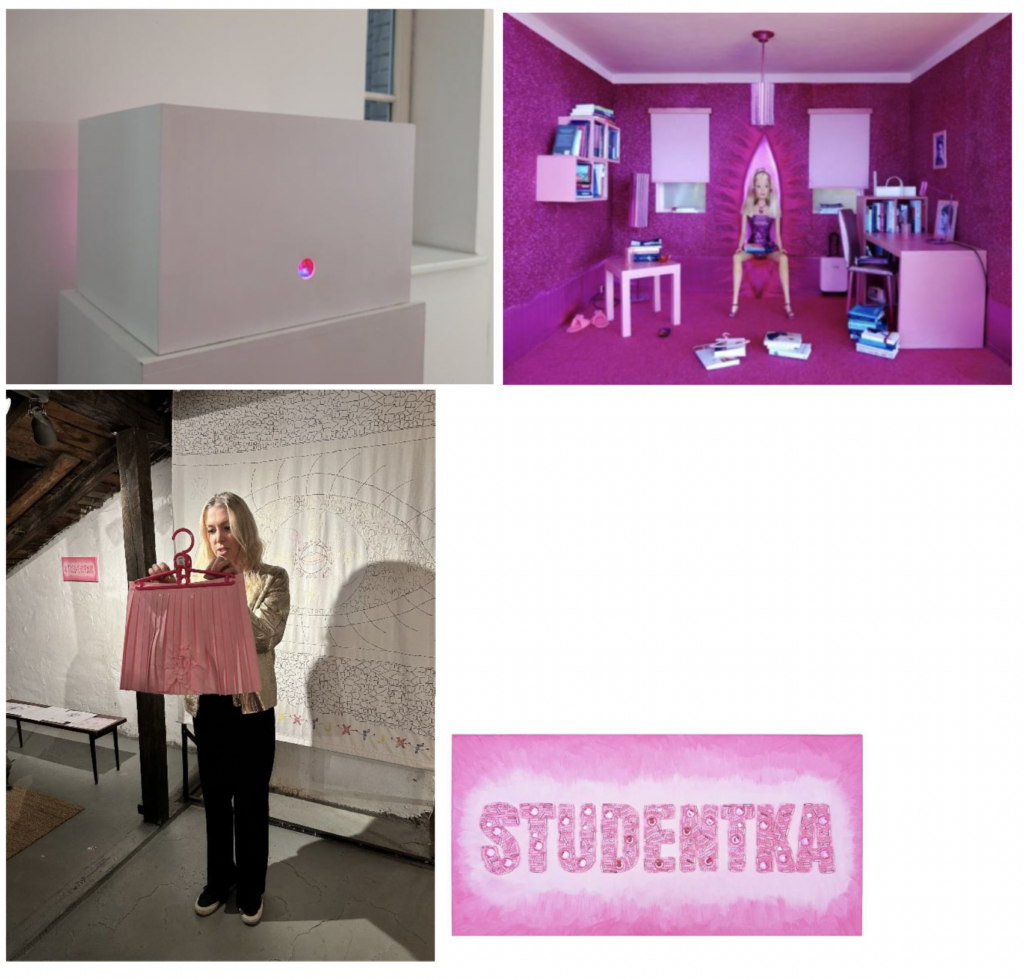
Iwona Demko: Installation/sculpture (17); Sewn painting (18) and council made sculpture (19)
https://zwierciadlo.pl/spotkania/532412,1,iwona-demko–waginatystka-czyli-artystka-idei.read
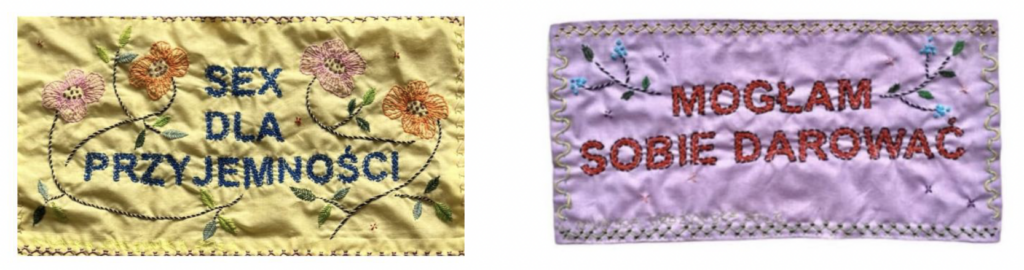
The twelfth apostle is Monika Drozynska, this year's winner of the “Polityka” Passport, presenting a series of embroidered texts Thoughts of silver and gold. It is a record of everyday phrases heard on the street, in the media, in political circles. Text as a tool of resistance, embroidery as an act of vandalism and sensitive recording. It also has something of a social media meme, or
From a card with good advice. It introduces humor and gives hope that embroidered means taken care of and therefore penetrated thoroughly and changed permanently.
Girls is an exhibition that does not give ready answers. It shows women's experiences and invites discussion. It awakens sensitivity, but also gives strength that these experiences are not individual. And that it is possible to build a community around these experiences and forge proficiency from them. The voice of women - artists, curators, viewers - weaves into a multi-voiced narrative about what it means to be a girl. Not the one from children's fairy tales. The real one - from blood, from emotions, from history. And from a disagreement with being reduced to a role that has long ceased to be enough.
Read more about the artists on their own sites, media sites and Wikipedia:
https://pl.wikipedia.org/wiki/Monika_Drożyńska
https://pl.wikipedia.org/wiki/Iwona_Demko
https://pl.wikipedia.org/wiki/Monika_Mamzeta
https://pl.wikipedia.org/wiki/Mariola_Przyjemska
https://pl.wikipedia.org/wiki/Agata_Zbylut
https://pl.wikipedia.org/wiki/Pola_Dwurnik
https://artinfo.pl/artysci/olga-mokrzycka-grospierre
https://pl.wikipedia.org/wiki/Izabela_Chamczyk