
“Dziewczynki” (“Girls”): voices that endure
In a world of changing trends and fleeting content, art remains one of the most lasting records of our time. Girls is a moving exhibition of many voices, creating space for women’s expression while reflecting contemporary emotions, experiences and identities.
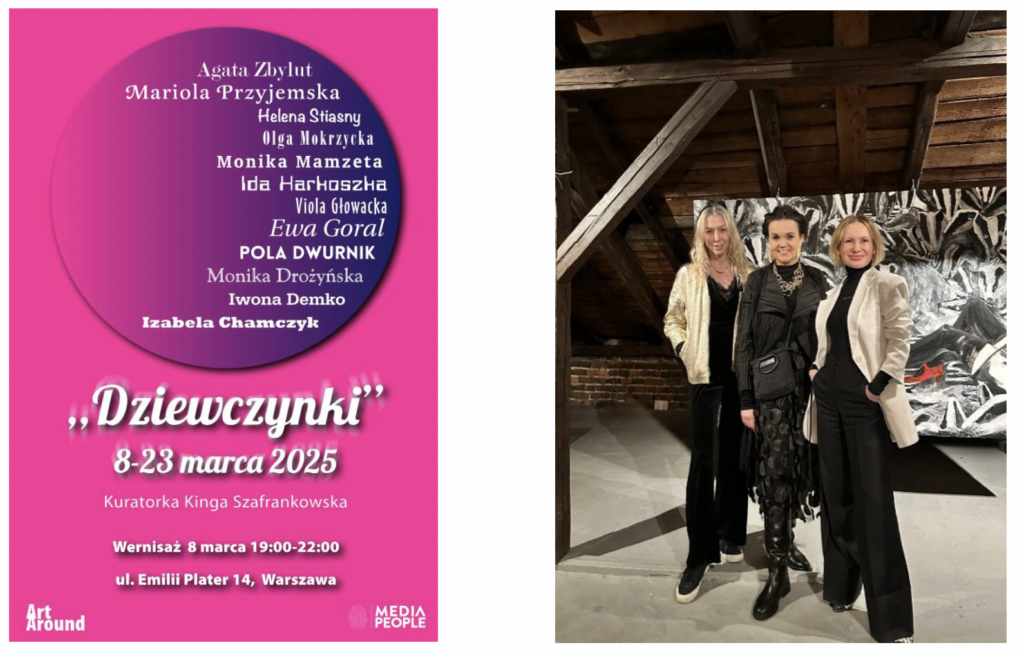
Media People was proud to support the exhibition. We believe in the power of culture, art and independent creative voices. For us, this is more than sponsorship: it is a commitment to projects and communities whose work will endure. What we leave behind today will help future generations understand our times.
Organised by the Art Around collective and curated by Kinga Szafrankowska, the exhibition contributes to a wider conversation about women’s agency. It brings together twelve artists from different generations and creative backgrounds, including Izabela Chamczyk, Iwona Demko, Monika Drożyńska, Pola Dwurnik, Mariola Przyjemska, Agata Zbylut, Helena Stiasny, Olga Mokrzycka, Monika Mamzeta, Ida Karkoszka and Ewa Goral. Their diverse experiences form a powerful, coherent narrative. The works complement one another, creating space for understanding and learning.
The exhibition speaks to everyone, including — perhaps especially — men. With empathy and nuance, it explores women’s physical, emotional and social experiences. Its invitation is to a conversation that can bring about change.
The exhibition Girls offers an intimate counterpart to the major exhibition of feminist art Chcemy całego życia. Feminatywy w sztuce polskiej (“We Want the Whole of Life: Feminine Forms in Polish Art”), shown at the State Gallery of Art in Sopot. Girls adds a personal, powerful account of relationships, language, the body, memory and the everyday work of being a woman in a world still learning to listen.
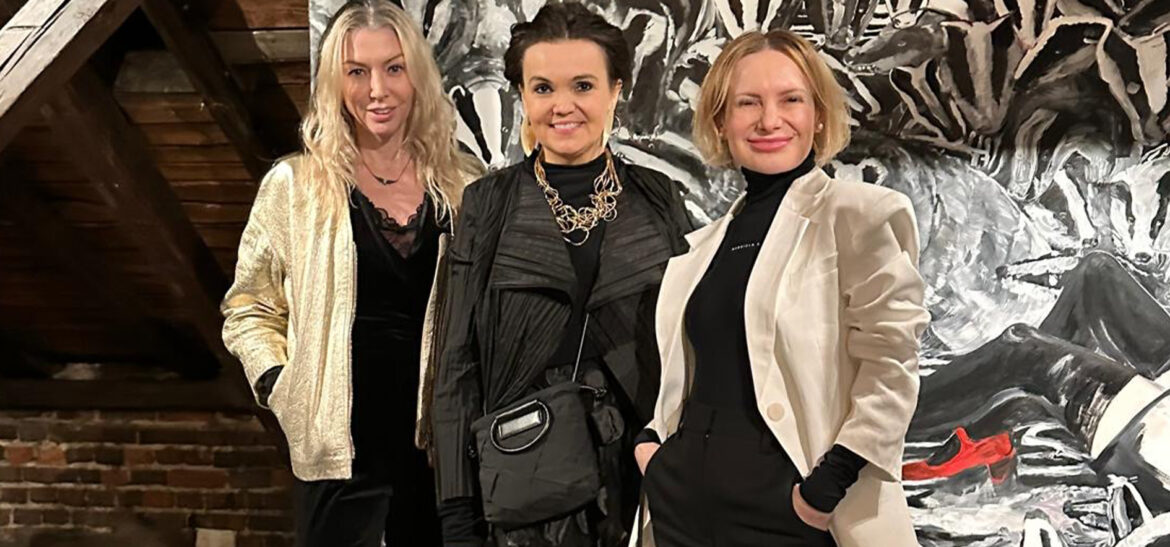
The exhibition occupied the attic of a historic building at 14 Emilii Plater Street. Raw yet welcoming, the space used the building’s distinctive features to draw out connections between the works. This sensitive approach to the setting is still relatively uncommon in Polish institutional exhibitions.
Each artist brings a distinct perspective to the shared space.
Agata Zbylut presents a series of photographs (1) and the sculptural object Bezoar (2). Inspired by Intimate Photography by Natalia LL, the photographs explore the body and sexuality through contemporary technology. The computer screen represents a space women can shape on their own terms. The work considers how streaming has given some sex workers greater control over their work and distance from exploitative intermediaries. As in other fields, technology can offer new possibilities for independence. The photographs are accompanied by Bezoar — an object made from jewellery donated by women across Poland. These pieces carry memories, relationships and associations with love or protection. Bezoars, once believed to have extraordinary healing powers, become a collective women’s talisman: personal, shared and emotionally charged.

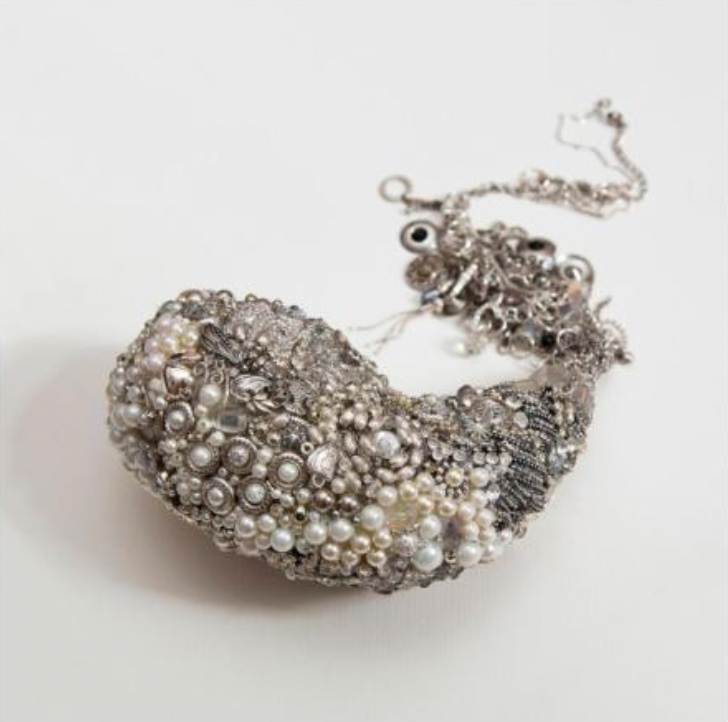
Agata Zbylut: photography and Bezoar
More:
https://www.vogue.pl/a/bezoary-artystki-agaty-zbylut-w-zamku-krolewskim-w-warszawie
The exhibition includes three works by Mariola Przyjemska from the series Guns i Cosmetics. In Cezetka (3), a firearm becomes an object of fetishisation and aesthetic scrutiny, set against everyday products associated with women. Lancôme i róża jest czerwona (“Lancôme and the Rose Is Red”) (4) reworks the cosmetics brand’s emblem, turning the rose into a symbol of revolution, defiance and women’s strength.
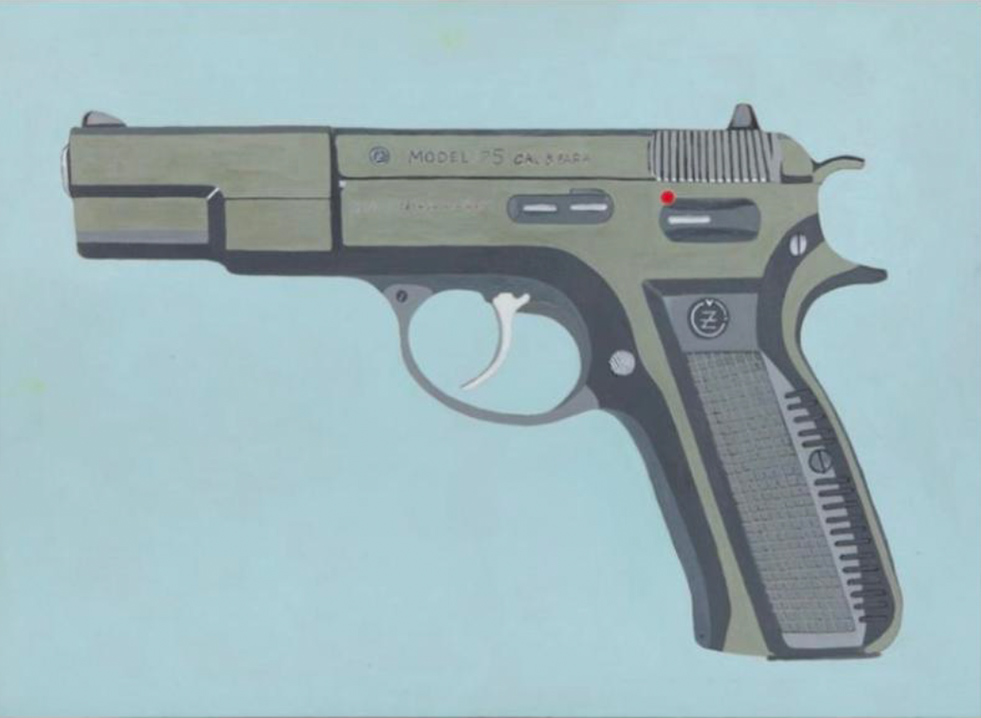
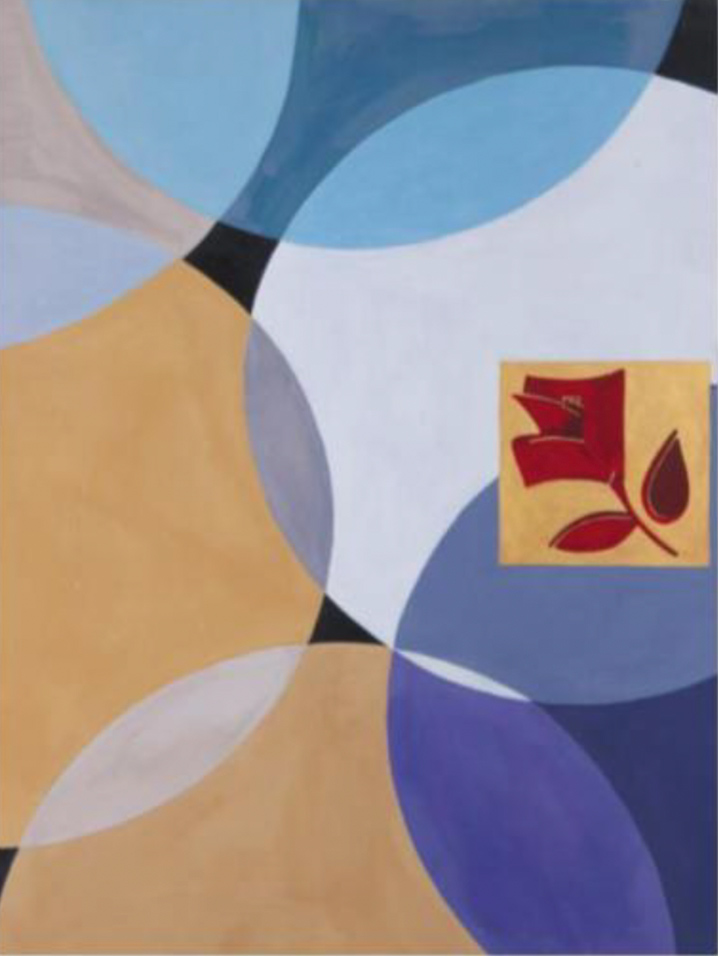
Mariola Przyjemska: acrylic paintings (3, 4)
https://www.vogue.pl/a/mariola-przyjemska-szminki-jak-pistolety
Tucked away above a secluded sofa, in a space that suggests the intimacy of breastfeeding, hangs Motherhood by Helena Stiasny (5). The painting portrays a friend whom the artist has always seen as a figure of quiet strength. Beneath a familiar image of motherhood lie exhaustion, loneliness and emotional strain. The work brings usually invisible experiences into view. Nearby, a woman carrying shopping bags still has a long way to go in Olga Mokrzycka’s „I’m Almost There” (6). Mokrzycka explores the daily balancing act of mothers combining domestic responsibilities and paid work. The tired figure returning home becomes a symbol of that constant effort. Her minimalist black-and-white paintings (6, 7) recall both 1950s illustration and East Asian painting. Their apparently effortless gestures are the result of years of repetition: thousands of movements that leave little room for accident or correction. Mastery grows from experience, even when the repeated work takes a toll.
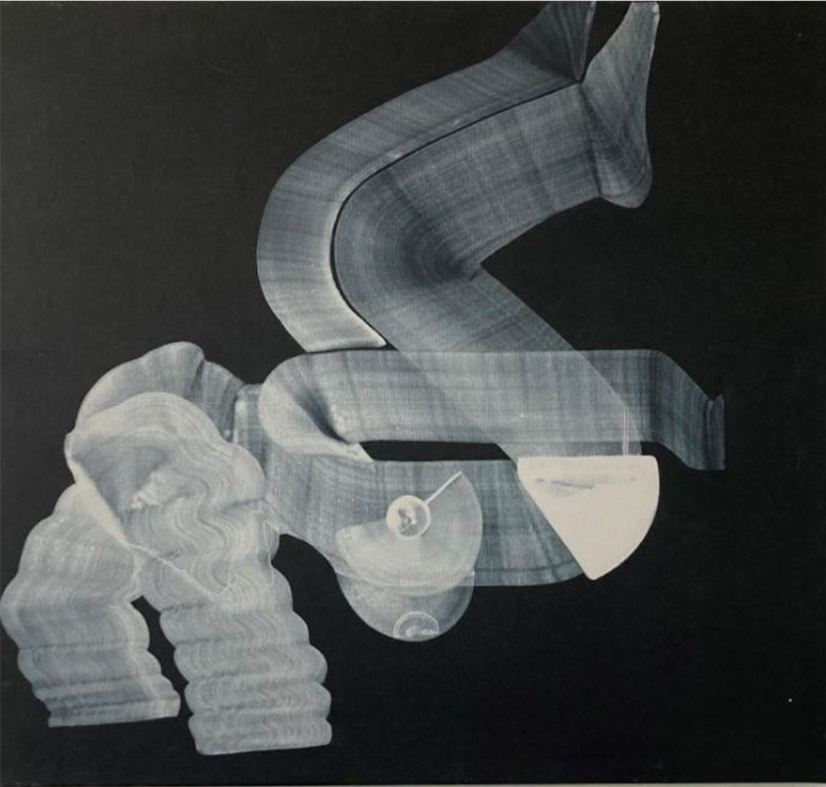
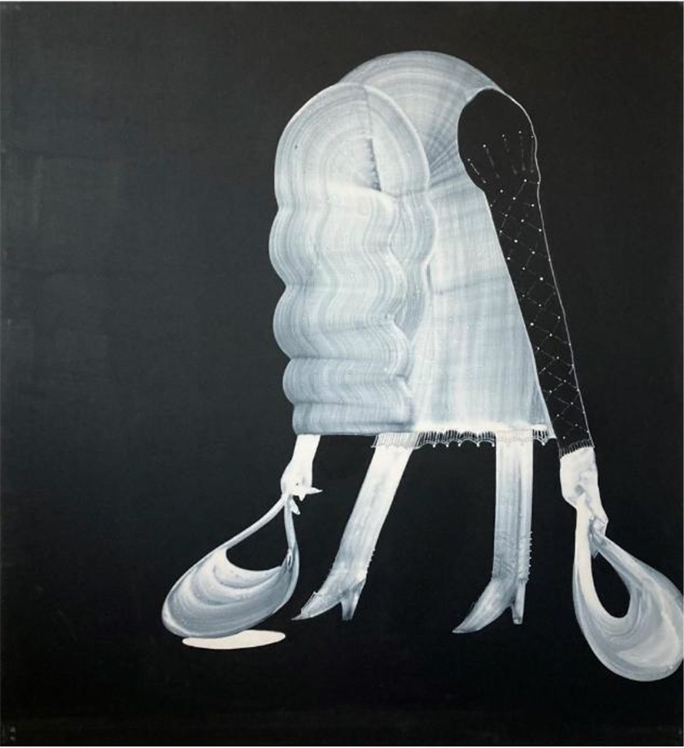
Olga Mokrzycka: acrylic paintings (6, 7)
Another artist in the exhibition is Monika Mamzeta. Her Madonna I (8) from the series When I Grow Up, I’ll Be a Virgin is a photograph displayed in an illuminated advertising lightbox. It portrays a friend and the artist’s young daughter, exploring cultural expectations of women as carers and figures of self-sacrifice. Across the series, mothers and daughters take on familiar religious poses, becoming contemporary Madonnas and Pietàs whose lives also encompass suffering, ageing and illness.
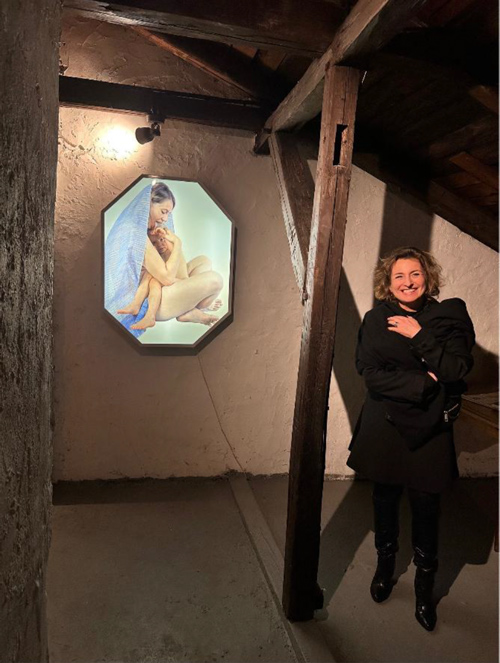
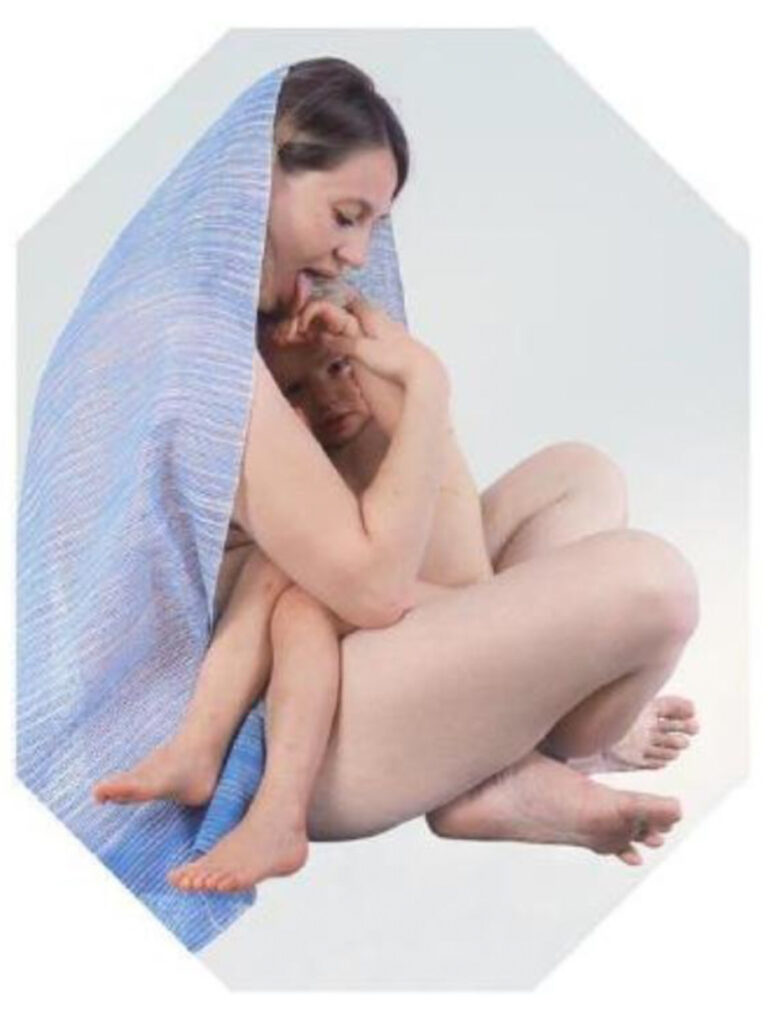
Monika Mamzeta with her photograph in a lightbox (8)
https://www.wysokieobcasy.pl/wysokie-obcasy/7,163229,26643680,smiale-2020-monika-mamzeta.html
Hanging in a narrow, secluded space at the centre of the attic is Moth by Ida Karkoszka (9). The aluminium sculpture moves between bodily realism and abstraction. From a distance, it resembles a hunting trophy: the antlers of an unfamiliar animal, crossed by a dark band. Its central black rectangle evokes Kazimir Malevich’s Black Square and the sacred Black Stone in Mecca. Closer inspection reveals women’s legs, with thighs, calves and curled feet. The sculpture alternately attracts and unsettles the viewer, suggesting femininity as a magnetic, elusive force. The moth’s associations with night, mystery and the afterlife add another layer of meaning. The work also recalls Gustave Courbet’s once-scandalous painting The Origin of the World from 1866.
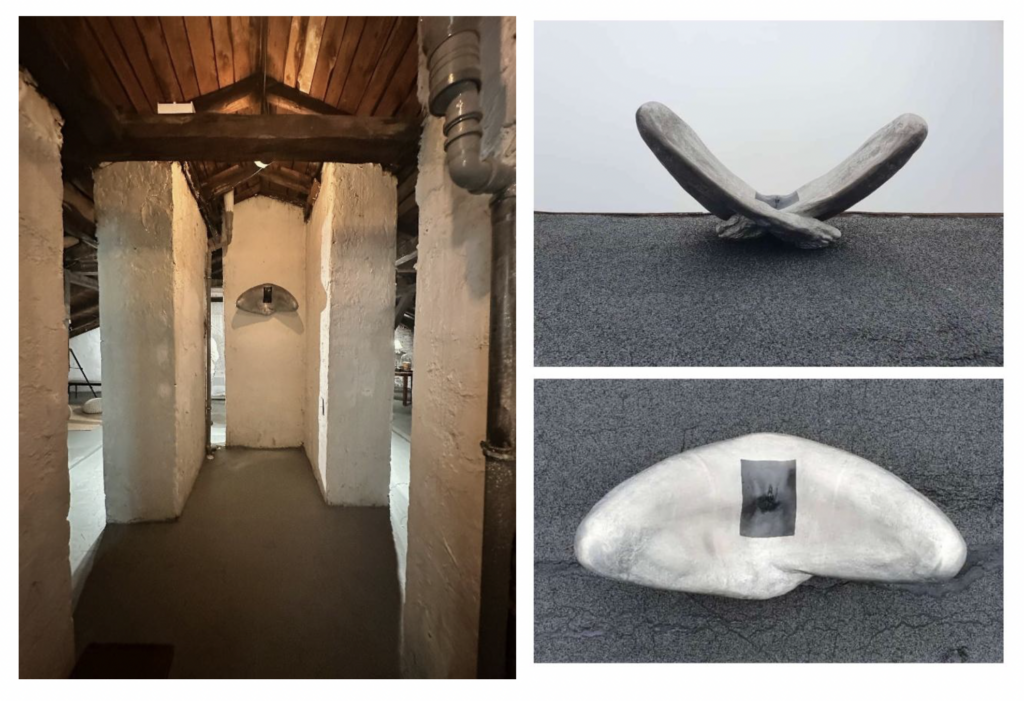
Ida Karkoszka: aluminium sculpture (9)
Tucked into corners of the attic, the paintings of Ewa Goral seem to sprout tropical, organic forms. Geography of Femininity (10) offers a sensual, almost mystical view of the female interior, combining abstraction with anatomy. Its central mandorla evokes Gaia and Artemis and opens a reflection on women’s creative power and independence. Goral describes painting as though imagining ayahuasca visions, without claiming to have experienced them. Her works suggest an opening towards transcendence (11,12). These references to altered states bring life, death, sexuality and creation into the same imaginative space. The theme of femininity and reproduction is taken up by Pola Dwurnik in Borsuka (13). Dwurnik creates an unsettling allegory of women’s position in contemporary culture. A woman lies at the centre as if on a production line, surrounded by badgers. Dead animals form the backdrop while living ones seem to mock her. Wearing red fetish-like shoes, the woman becomes a clown reluctantly performing a role imposed by patriarchy.
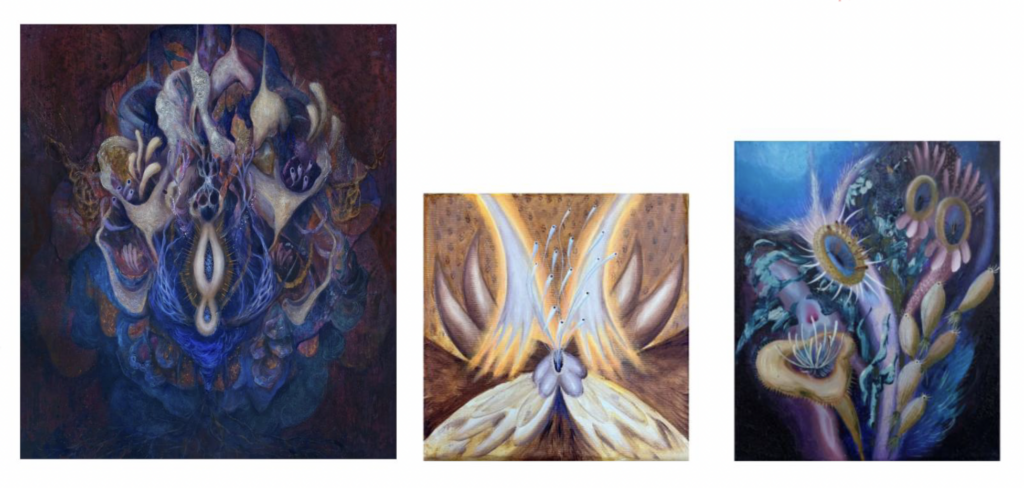
Ewa Goral: oil paintings (10, 11, 12)
https://dzielna.foundation/program-kuratorski/ewa-goral-totem
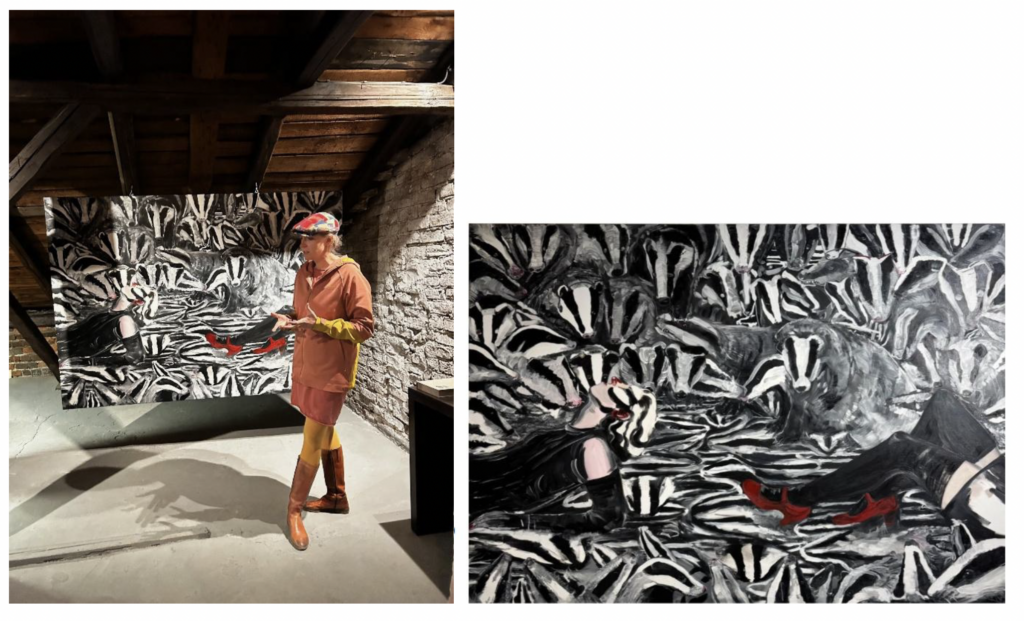
Pola Dwurnik with her oil painting (13)
https://hygge-blog.com/odwiedziny-kolekcja-mocak-u-pola-dwurnik/
Izabela Chamczyk presents Materialised Naivety (14) and the photographic series Mutilated i Push & Pull (15, 16). These works explore psychological abuse, particularly the experience of women who appear strong in public while facing violence in private. Chamczyk traces withdrawal, exhaustion and silent resignation, asking what independence can cost.
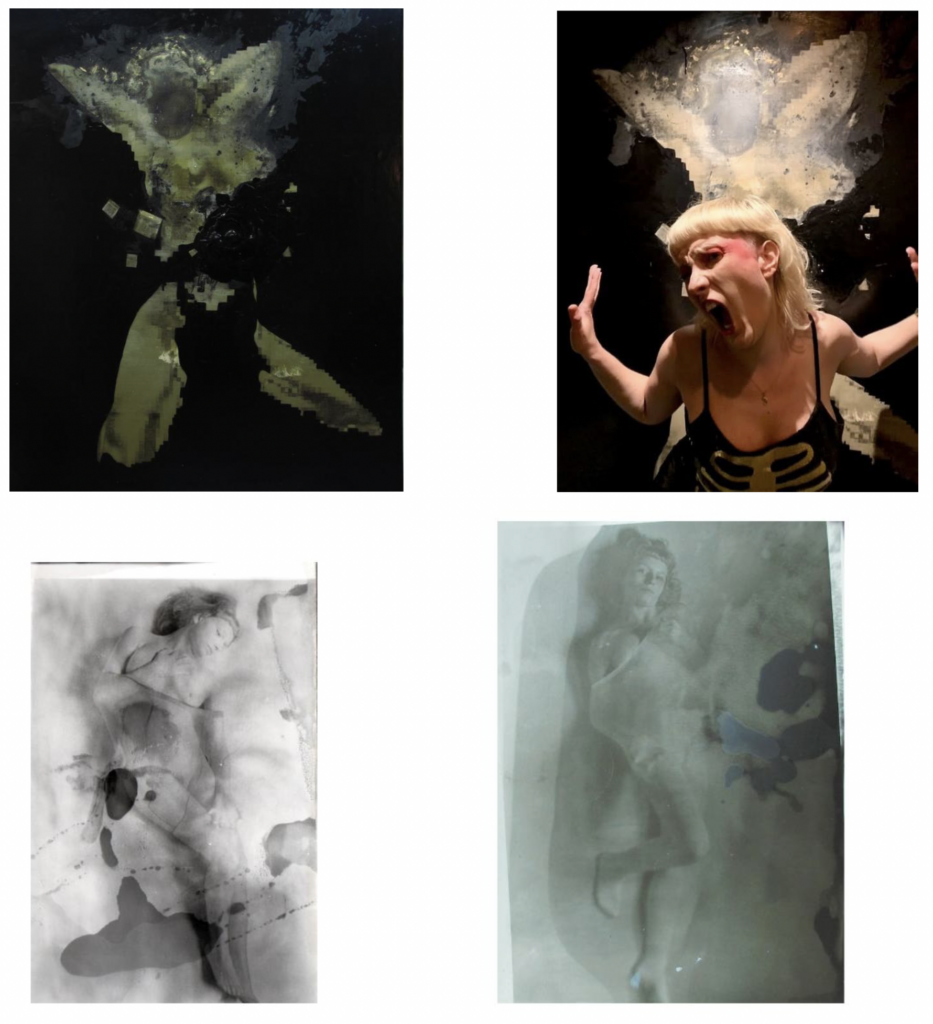
Izabela Chamczyk: oil painting (14), the artist with her work, and photographs (15, 16)
https://www.galeriaxx1.pl/izabela-chamczyk-push-pull/
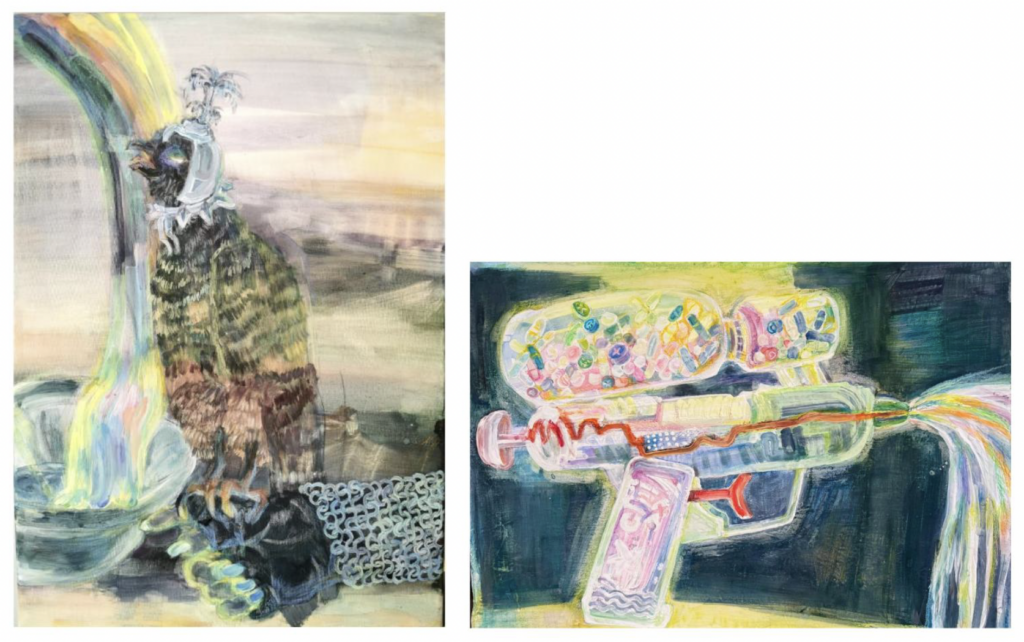
Viola Głowacka: acrylic paintings
Works by Viola Głowacka seem to stand guard, defending the possibility of a better world. In her politically engaged paintings, hussar armour and knightly figures become symbols of women’s strength and resistance. The series Women Knights grew out of social protest. Its first painting — a female hussar galloping through lava — was created as a banner for the Manifa march on 8 March 2021. Drawing on experiences of exclusion and anger, Głowacka uses martial imagery to express defiance and offer encouragement. She openly supports the LGBTQ+ community and equality movements. Her art speaks loudly, even when the artist herself chooses silence.
Another corner of the exhibition presents works by Professor Iwona Demko (17, 18,19). The title of one work refers to Virginia Woolf’s essay A Room of One’s Own from 1929. It depicts a space belonging to a self-assured woman: a feminist who has taken part in Poland’s Black Protests. Seated as if on a throne, she radiates independence. A portrait of Woolf stands on her desk, while a replica of Katarzyna Kobro’s Spatial Composition 3 from 1928 sits among the books. This woman knows the activists, writers and artists who came before her. Yet visitors can see her room only through a keyhole, turning the act of looking into something uncomfortably voyeuristic. The white cube has a pink interior, visible only by peering in at its occupant. Beside A Room of One’s Own is Szmata (“Rag”) — a pleated skirt made from a kitchen cloth and suspended from a pink hanger. In Polish, szmata means both a rag and a degrading insult directed at women. Here, it also suggests cleaning up an unjust social order and rebuilding it into
something different. Demko challenges the idea that a short skirt could justify judgement or sexual violence. Her embroidered work Studentka (“Female Student”)advocates feminine forms in Polish, making women’s presence in professions and social roles more visible. The works share the artist’s favourite colour: the shocking pink associated with Elsa Schiaparelli and the influential Polish artist Maria Pinińska-Bereś.
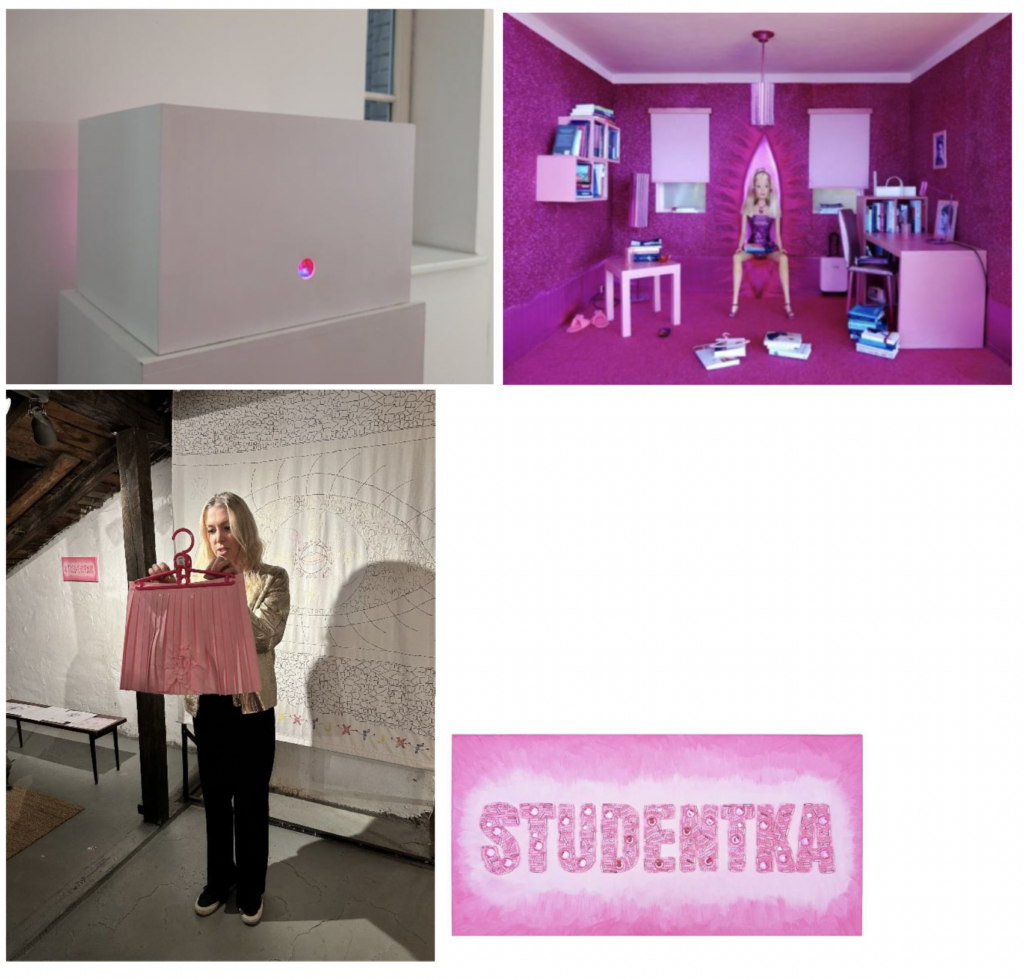
Iwona Demko: installation/sculpture (17), embroidered work (18) and readymade sculpture (19)
https://zwierciadlo.pl/spotkania/532412,1,iwona-demko–waginatystka-czyli-artystka-idei.read
The twelfth artist is Monika Drozynska, this year’s recipient of a Polityka Passport award. She presents the embroidered series Silver and Golden Thoughts. Everyday phrases heard in the street, the media and political debate become records of their time. Text is a form of resistance; embroidery combines disruption with attentive care. The works also carry the humour of a social media meme or
a handwritten note offering advice. Stitching becomes a way of paying attention to words, turning them over and transforming them into something lasting.
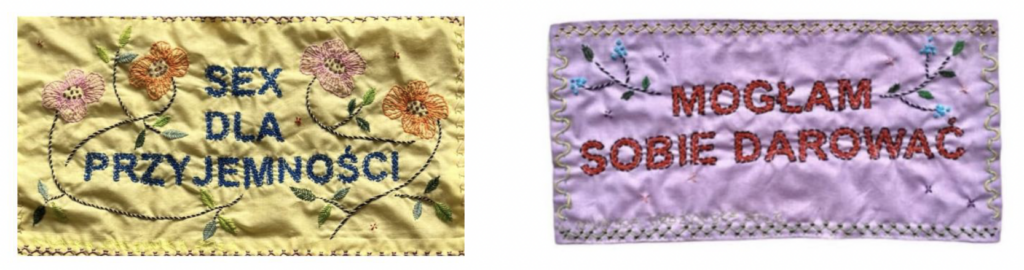
Girls offers no ready-made answers. It shares women’s experiences and invites discussion, bringing both sensitivity and strength through the recognition that these experiences are shared. From that recognition, community and agency can grow. The voices of artists, curator and visitors come together in an account of what it means to be a girl or a woman: a real person, shaped by emotion, history and a refusal to accept roles that no longer fit.
Learn more about the artists on their websites and in the sources below:
https://pl.wikipedia.org/wiki/Monika_Drożyńska
https://pl.wikipedia.org/wiki/Iwona_Demko
https://pl.wikipedia.org/wiki/Monika_Mamzeta
https://pl.wikipedia.org/wiki/Mariola_Przyjemska
https://pl.wikipedia.org/wiki/Agata_Zbylut
https://pl.wikipedia.org/wiki/Pola_Dwurnik
https://artinfo.pl/artysci/olga-mokrzycka-grospierre
https://pl.wikipedia.org/wiki/Izabela_Chamczyk